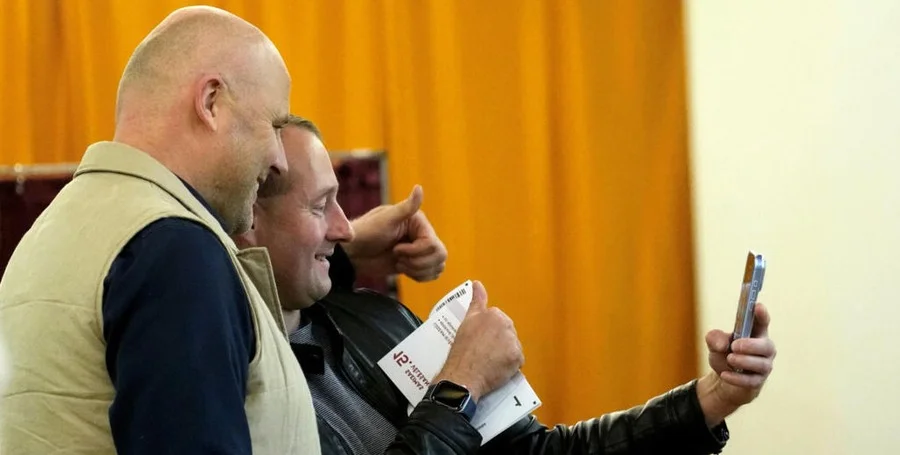
Initial exit poll data released Saturday suggests Prime Minister Andris Kulbergs’ pro-Ukraine party achieved a significant Latvian election win. The party, also strongly pro-Europe, appears to have secured an unexpectedly wide margin of victory. This decisive outcome surprised many political observers across the nation.
The strong performance by the Prime Minister’s party marks a clear mandate from the electorate. It reflects robust public support for its current foreign policy stance. Therefore, these results underscore a continued commitment to both Ukraine and broader European integration among voters.
However, the projected results for other parties within the existing ruling coalition tell a different story. Their individual performances suggest a less favorable outcome compared to previous elections. Consequently, their collective stumble creates a complex and challenging situation for the current government structure.
As a direct result of these varied performances, Prime Minister Kulbergs will likely face the intricate task of forming a brand new ruling coalition. The unexpected strength of his own party now contrasts sharply with the struggles experienced by its former allies. Meanwhile, political analysts anticipate intensive negotiations to begin shortly, aiming to navigate this altered political landscape.
This significant Latvian election win for Kulbergs’ party undeniably confirms his leadership and the popularity of his platform. Nevertheless, constructing a stable and effective government will require considerable political maneuvering and compromise. The path ahead involves intricate discussions among various political factions, each vying for influence and policy direction.
The centrist Prime Minister must now carefully balance the strong public backing for his party with the necessity of forging alliances. This process will determine the stability and direction of Latvia’s government for the coming term. Ultimately, the new coalition will shape key national and international policies.